
Coffee and Metabolism: How Caffeine May Affect Energy Use and Body Fat
This article explains the relationship between coffee and metabolism, focusing on how caffeine may influence energy expenditure, appetite signals,
and short-term calorie use. The information is educational and cautious, not medical advice.
This page is intended for readers researching coffee’s metabolic effects, comparing coffee-based supplements, or looking for realistic expectations
about caffeine and energy balance.
Product context: Read the complete JavaBurn review
What Metabolism Is and Why It Matters
Metabolism refers to the chemical processes the body uses to convert food into energy and maintain basic functions. These processes include both building tissues
and breaking them down for fuel.
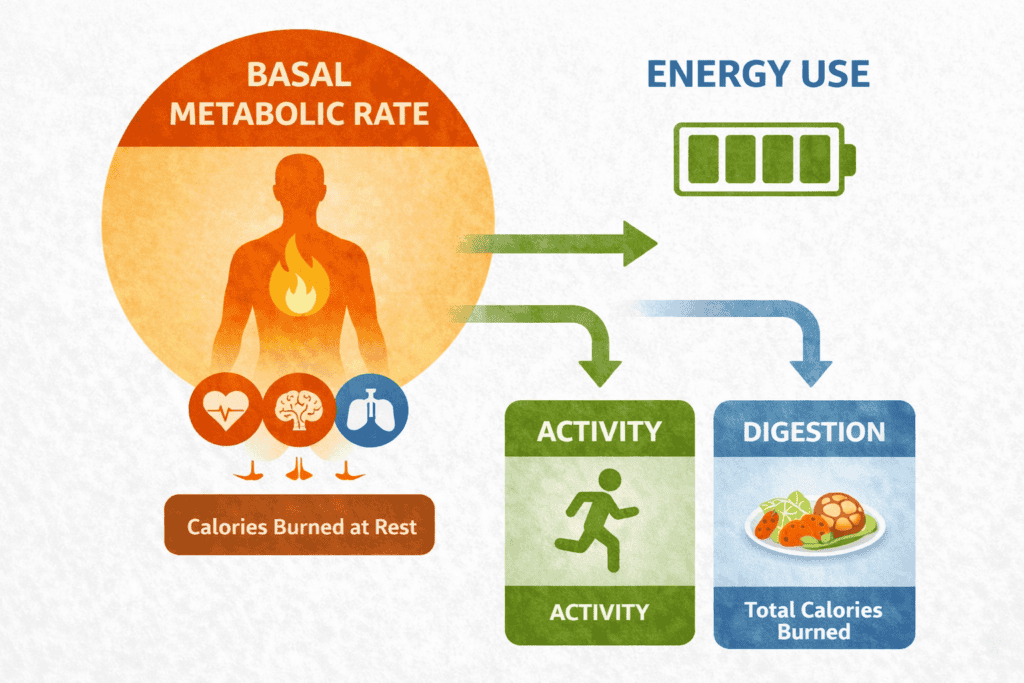
Basal metabolic rate (BMR) describes how much energy the body uses at rest, while total daily energy expenditure includes activity, digestion, and movement.
Small changes in metabolic rate can influence energy balance over time, but metabolism is only one factor in weight management.
How Caffeine in Coffee Affects Metabolism
Caffeine is the primary active compound in coffee associated with metabolic effects. It stimulates the central nervous system,
which can increase alertness and perceived energy.
Physiologically, caffeine may:
- Increase heart rate temporarily
- Promote thermogenesis (heat production)
- Slightly raise short-term calorie expenditure
These effects are generally modest and short-lived.
They vary based on dose, timing, and individual sensitivity.
Coffee, Appetite Signals, and Energy Intake
Caffeine can temporarily influence appetite and hunger signaling in some people. This may lead to reduced short-term food intake,
especially when coffee is consumed earlier in the day.
Research findings are mixed. Appetite suppression tends to be brief
and does not always result in meaningful long-term calorie reduction.
Individual responses vary widely based on habits, diet, and caffeine tolerance.
[Image: Conceptual illustration of hunger and appetite signaling]
Tolerance: Why Coffee’s Effects Change Over Time
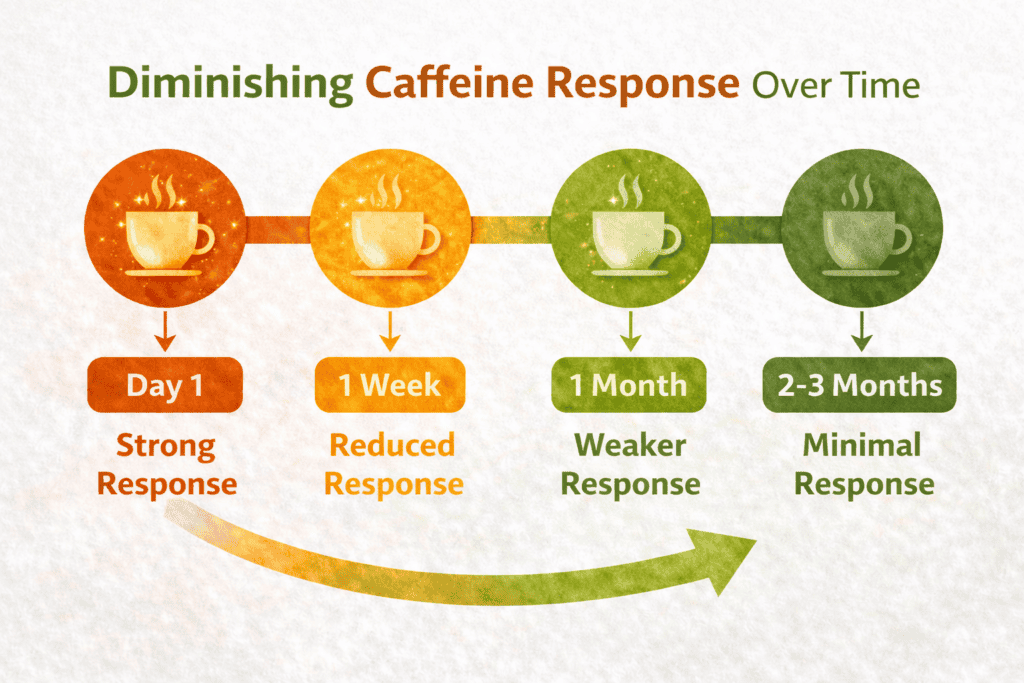
Regular caffeine use often leads to tolerance. As tolerance develops,
the same amount of coffee produces smaller effects on alertness and metabolism.
This explains why people who drink coffee daily may notice less of a metabolic “boost”
compared to occasional users.
Tolerance does not mean coffee stops working entirely, but it does limit dramatic or lasting metabolic effects.
Factors That Influence Individual Response
Several factors determine how coffee affects metabolism:
- Sleep quality: Poor sleep can blunt metabolic benefits.
- Diet composition: Overall calorie balance matters more than coffee.
- Physical activity: Exercise interacts with caffeine effects.
- Caffeine sensitivity: Genetics influence tolerance.
- Timing: Morning use is generally better than late-day use.
These variables help explain why results differ from person to person.
Common Misconceptions About Coffee and “Fat Burn”
Claims that coffee alone causes meaningful fat loss are often overstated. While caffeine may slightly increase calorie burn,
this effect is rarely enough to drive sustained weight loss by itself.
Long-term fat loss depends primarily on:
- Sustained calorie balance
- Diet quality
- Physical activity
- Sleep and stress management
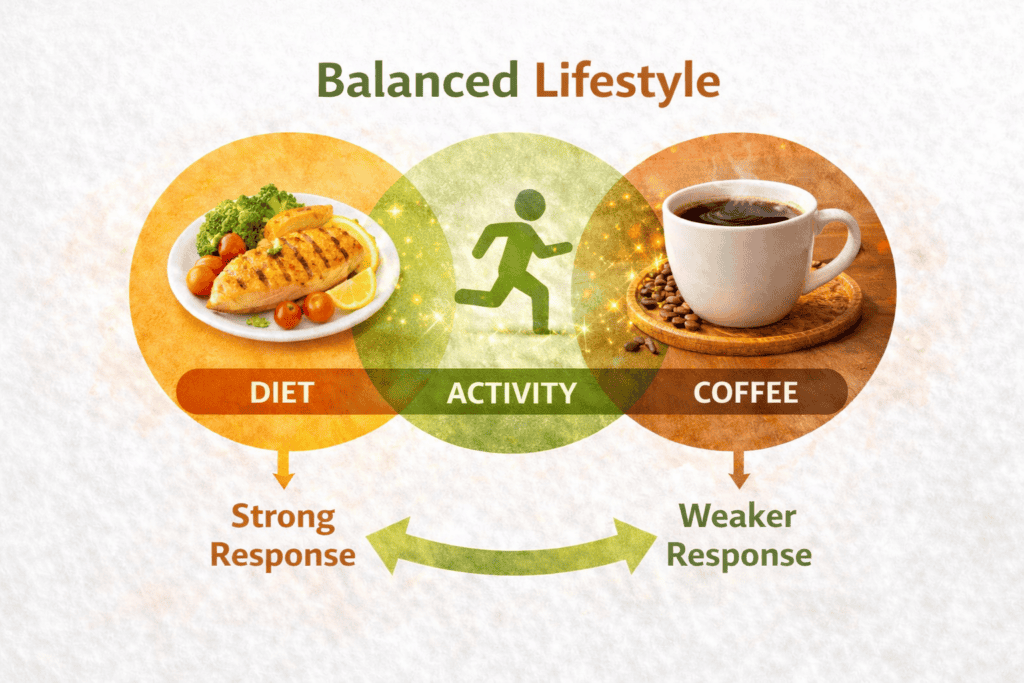
Coffee can support routines, but it is not a substitute for lifestyle changes.
Where Coffee-Based Supplements Fit In
Some people choose coffee-based supplements to layer additional ingredients into their routine.
These products often come as liquid drops added to coffee, rather than powders or capsules.
Evidence for added benefits varies by ingredient. Supplements may support consistency or convenience,
but they do not override diet or activity.
Example: JavaBurn review (coffee-based liquid drops)
Practical Takeaways for Coffee Drinkers
- Moderate coffee intake may slightly raise metabolic rate short-term
- Effects vary widely and diminish with tolerance
- Excess caffeine can disrupt sleep and counteract benefits
- Timing and total intake matter more than quantity
- Coffee works best as part of a broader lifestyle approach
How This Information Relates to JavaBurn
JavaBurn is designed to complement coffee by adding a liquid drop supplement to an existing routine.
Understanding coffee’s natural metabolic effects helps set realistic expectations. For ingredient details, usage instructions,
and safety considerations, refer back to the full review.
Frequently Asked Questions
Does coffee increase metabolism?
Coffee may slightly increase metabolic rate in the short term,
mainly due to caffeine. The effect is usually modest.
Can coffee help with fat loss?
Coffee alone is unlikely to cause significant fat loss.
Sustainable results depend on overall lifestyle factors.
How long do caffeine’s metabolic effects last?
Effects typically last a few hours and diminish with regular use.
Does tolerance reduce coffee’s benefits?
Yes. Regular caffeine use often reduces noticeable metabolic and energy effects.
Is more coffee better for metabolism?
No. Excessive caffeine can disrupt sleep and counteract potential benefits.
Do coffee-based supplements work better than coffee alone?
Evidence varies. Supplements may add convenience, but results depend on ingredients and individual response.